Tignes Villages
Nestled in the famous Tarentaise Valley, Tignes is renowned for its exceptional snow. One of Europe’s highest ski resorts, slopes reach a dizzying height of 3 450m, with the lowest ones still at an impressive 1 550m. With predominantly north-facing slopes, Tignes ensures excellent conditions for skiing as its slopes are protected from the sun.The resort itself comprises different villages, each with their own unique character.
Tignes 1800 is the new heart of the resort, blending modern amenities with the tranquility of a traditional village. Opened in 2013, it’s a firm favourite with families.
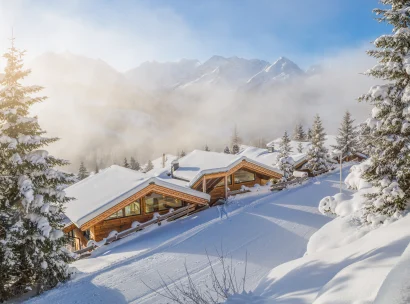
Tignes les Brévières is all about authenticity, featuring traditional chalets where you can enjoy a raclette or fondue at a family-run establishment tucked away in its rustic narrow streets.
Discover Tignes by night in Tignes Val Claret. Known for its vibrant nightlife, the village attracts party animals, with a growing number of bars and clubs. It’s steadily building its reputation for post-skiing festivities, the place to let your hair down.
Things to do in Tignes
But if it's thrills you’re after, then look no further, Tignes has that too. Try discovering the magical underwater universe with some ice diving in Tignes' frozen lake, or getting a taste of the big thrill with a Bun J Ride jump, or even admiring the magnificent snowy mountain landscape from far above during a paragliding flight over the resort.
There’s also the 3km long Pala’fou toboggan run, an exhilarating way to end the day. Or discover the mountains in a more traditional way by riding with a pack of huskies. In fact, the opportunities for getting around are endless, from snowshoeing to snowmobiles to moon bikes to paragliding, there’s so much more to Tignes than just skiing.
With the right ski pass, you’ll have access to Le Lagon swimming complex, with its huge pool and fitness and wellness centre. Tignes’ reputation as a gentle, family-friendly resort is still very much intact.
Skiing in Tignes
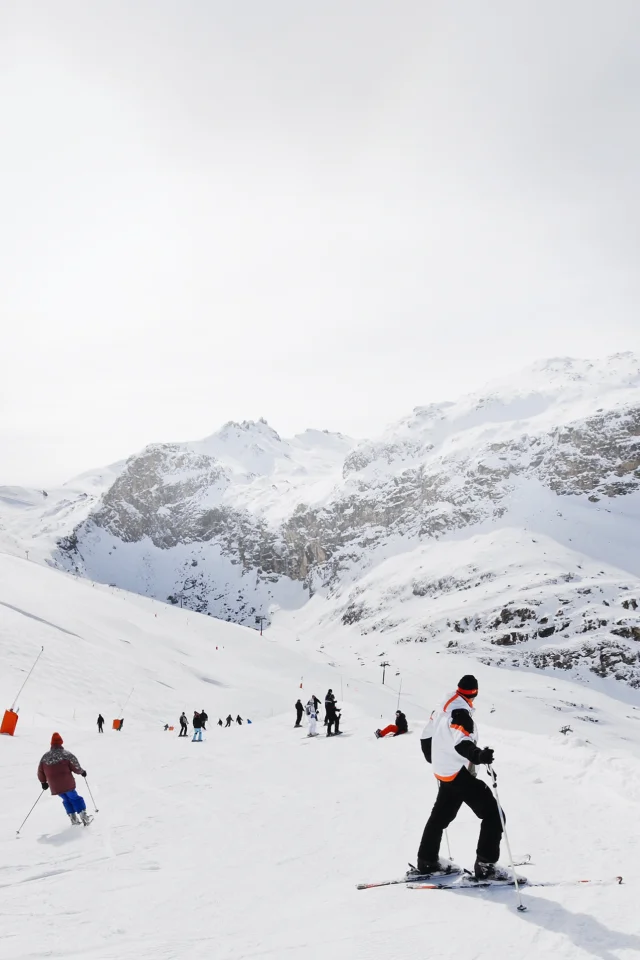
Together with Val d’Isere, Tignes forms the impressive Espace Killy ski area, with a whopping 300km of downhill skiing and 150 pistes linked by 90 ski lifts. There are well-groomed pistes aplenty, as well as some stunning off-piste areas for exploration.
The area boasts 22 green slopes, 65 blues, 41 reds and 32 blacks. Our pick is La Sache, a thrilling 10km route from L'Aiguille Percée to Les Brévières.
With advanced runs and legendary slopes such as the World Cup downhill red run ‘OK’ and the infamous steep black run ‘La Face de Bellevarde’, Tignes doesn’t disappoint. Ski to the Eye of the Needle, made famous in the Bond film “A View To A Kill” for incredible views of the valley. And remember to check out the Grand Motte glacier for above-the-treeline skiing, with blue, red and black runs.
Tignes, France nightlife
Tignes is raising its apres-ski game with new clubs and great bars popping up all the time, as highlighted in our guide to budget ski holidays in France for young people.
If it’s nightlife you’re after, then head to Tignes Val Claret, with lively slopeside bars and pumping nightclubs. Firm favourites include the Loop Bar in Tignes Le Lac, with happy hour every day and live music, you’ll be dancing on the tables. Cocorico is gaining a reputation as the place to be, with live DJ sets daily, as well as the usual dancing away on the sun terrace and joining with raucous renditions of classics sing-along favourites. And no trip to a French resort would be complete without a visit to Folie Douce, guaranteed to be rocking, and all done with a familiar French twist of flair and flamboyance.
And if you want to party into the wee small hours, head to Le Blue Girl for a bit of French Europop, techno and the odd theme night, or Le Melting Pot, to quench your thirst for all things electro, hip-hop and drum and bass.
Where to eat
From traditional Savoyard cuisine to fine dining to grabbing a quick bite, Tignes caters to every taste bud. Choose from a traditional setting to a more formal atmosphere or a more family- style establishment. And with the resort being purpose built, you can ski right to the doorstep in most villages.




















 Deadline: February 13th
 Winner Announcement: February 14th